


Bahamian Salary Crisis: 5 Dangerous Financial Mistakes Nassau Public Servants Make While Davis Promises “Before Christmas” (Ultimate Truth)
While you were reading about the public servant march on Tribune 242 yesterday, something far more dangerous than delayed salaries was happening. Over 100 Bahamians gathered at the House of Assembly, pressing against police barricades, demanding what they’re owed. Prime Minister Davis emerged with a promise that should make every connected Bahamian’s stomach turn: “You will be paid before Christmas.”
It’s October.
This isn’t just about delayed salary increases. This is about a pattern that keeps Bahamians poor while they wait for promises that stretch further into the future with each passing month. While these public servants were marching, smart Bahamians who understand the psychology of wealth were making completely different moves. They stopped waiting for government promises and started building wealth despite political games.
Here’s what Eyewitness News won’t tell you: The march wasn’t the problem. The real crisis is the five dangerous financial mistakes that Bahamians—especially public servants—make while waiting for promises like “before Christmas.” These mistakes keep them poor while others in your same salary bracket build wealth, security, and options.
The Hidden Pattern Behind “Before Christmas” Promises
According to the Bahamas Union of Teachers, 40 teachers resigned before the new school year—higher than usual. Think about what that number really means. These are professionals who looked at the government’s track record of delayed payments and broken promises and decided: “I’m done waiting.”
But here’s where most Nassau professionals make their first critical mistake:
Mistake #1: Believing Financial Security Comes From Your Employer (Even the Government)
Chris Voss, the FBI’s former lead international kidnapping negotiator, teaches tactical empathy—the art of recognizing when someone is telling you what you want to hear while planning something completely different. When Davis says “before Christmas,” your brain wants to believe it because the alternative is too scary. That’s exactly what makes this mistake so dangerous.
The psychology behind this is brutal: You’ve been conditioned to see your salary as your only lifeline. Every delay triggers panic because you’ve put all your financial security in one basket controlled by people who keep moving the payment date. Smart Bahamians learned something different: Your employer—even the government—should never be your only source of financial security.
Mistake #2: Staying Loyal to Broken Promises While Your Bills Stay Current
Over 100 public servants marched to the House yesterday. They pressed against police barricades. They demanded what they’re owed. And then they went home to wait—again.
Here’s what Tony Robbins discovered working with thousands of financially struggling people: The moment of decision separates those who transform their finances from those who stay stuck. Most people make one decision—to complain, to march, to demand—but they never make the second decision: “What am I going to do differently starting today?”
Your rent doesn’t wait “before Christmas.” Your children’s school fees don’t wait. Your car note doesn’t wait. Cable Bahamas doesn’t wait. BPL doesn’t wait. But somehow, you’re waiting for a government that’s been delaying payments for months.
Mistake #3: Not Having a Backup Financial Strategy When Promises Break
Nassau’s business community learned something during COVID that public servants are learning now: Government promises are not financial strategies. While you’re marching, connected professionals in the private sector have side businesses, investment accounts, rental properties, and multiple income streams that don’t depend on political promises.
This isn’t about disloyalty to public service. This is about understanding a harsh truth: The people making promises about your salary have their own salaries secured. Minister Glover-Rolle confirmed the delay in September, but her check cleared. Prime Minister Davis announced the delay—but his household isn’t waiting “before Christmas.”
Derren Brown, the psychological illusionist, teaches that the most effective manipulation happens when the victim believes they have no other choice. That’s exactly what’s happening here. You believe you have to wait because what other choice do you have? That belief is costing you everything.
Mistake #4: Watching Your Purchasing Power Disappear While You Wait for “Before Christmas”
It’s October 10th, 2025. Christmas is 76 days away. Let’s do the math that Tribune 242 won’t show you:
If you’re owed a salary increase from months ago, you’re not just losing that money. You’re losing what that money could have done for you over these months. You’re losing the ability to pay bills on time—incurring late fees. You’re losing the ability to take advantage of opportunities that required upfront investment. You’re watching food prices rise at Solomon’s and Cost Right while your outdated salary stays frozen.
Every day you wait, you’re actually getting poorer. The cost of living in Nassau doesn’t pause because the government paused your raise. Your salary from last year can’t buy what it bought last year. That’s not theory—that’s the lived reality of every Nassau household right now.
Connected Bahamians understand something crucial: Inflation is a silent tax that hits hardest when your income is frozen. While you’re waiting for “before Christmas,” the purchasing power of that eventual raise is evaporating daily.
Mistake #5: Not Learning the Ultimate Lesson About How Money and Power Really Work in the Bahamas
This is the mistake that keeps good Bahamians poor for generations. You believe that working hard, being loyal, and following the rules means you’ll be taken care of. You believe that if you’re good, the government will be good to you.
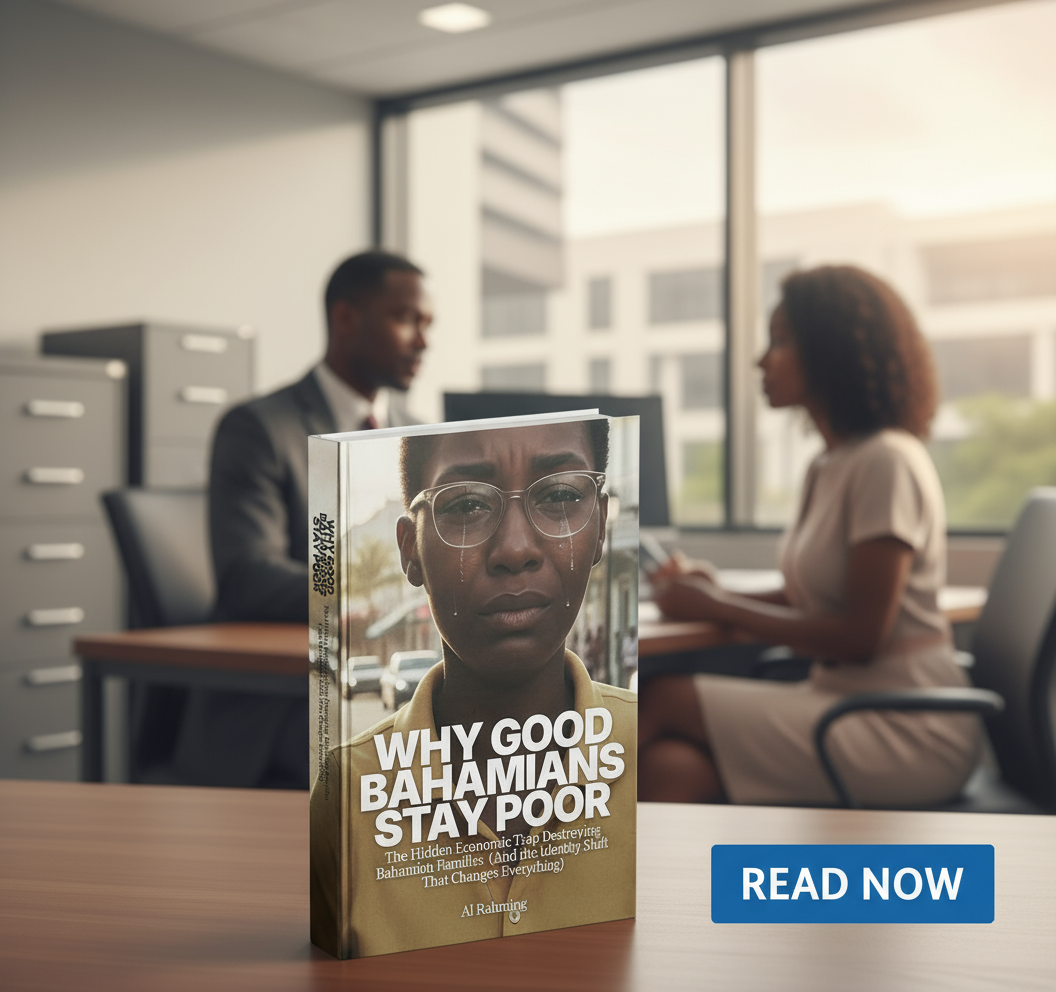
But here’s what Nassau’s wealthiest professionals discovered: The psychology of poverty isn’t about how much you make. It’s about how you think about money, power, and promises. While you’re waiting for Christmas, they’re creating wealth that doesn’t depend on political timelines.
The real question isn’t “Will Davis pay before Christmas?” The real question is “Why am I still in a financial position where one delayed payment threatens my entire household?”
The Political Pattern You Need to Recognize
Let’s connect the dots that Our News and Eyewitness News are reporting separately:
September 2025: Minister Glover-Rolle confirms salary increase delays for some public sector workers. No communication between government and trade union before the announcement.
October 9, 2025: Over 100 public servants march on House of Assembly demanding what they’re owed.
October 9, 2025: Davis emerges, promises payment “before Christmas.”
This isn’t the first time. This is a pattern. And if you don’t recognize patterns, you’ll keep falling for the same game while calling it something different each time.
The Free National Movement raised similar concerns about the government’s fiscal management. Tribune Business reported that the government made last-minute revisions to spending and deficit figures—changes that “almost hit” deficit targets through accounting adjustments rather than actual fiscal discipline.
Here’s what Chris Voss teaches about negotiation: When someone consistently breaks promises, they’re showing you who they are. Believe them. The pattern IS the promise, not the words.
Is This Really a “New Day” or Are We Living in a False Dawn?
When Prime Minister Davis’s administration came into power, they promised transformation. They promised a “new day” for Bahamians. They promised transparency, accountability, and economic opportunity.
But here’s what you’re experiencing right now: Public servants marching because they haven’t been paid promised salary increases. Teachers resigning at higher-than-usual rates. Delays announced with no union communication. Promises stretched from “soon” to “before Christmas” while it’s still October.
So the question every Nassau professional needs to ask: Is this administration delivering a new day of prosperity and accountability, or are we living in a false dawn where the promises sound good but the patterns stay the same?

Tony Robbins teaches that transformation requires a “moment of decision”—a point where you stop accepting the story you’ve been told and start writing a different one. For Bahamians watching this salary crisis unfold, that moment is now.
You can choose to believe the “before Christmas” promise and wait. Or you can recognize the pattern and make different decisions about your financial future starting today.
What Smart Nassau Professionals Are Doing Differently
While public servants are marching and waiting, connected Bahamians are:
Creating Multiple Income Streams: Side businesses, freelance work, investment income that doesn’t depend on government payment schedules.
Building Emergency Reserves: Six months of expenses saved so that delayed payments are inconvenient, not catastrophic.
Investing in Financial Education: Understanding how money, wealth-building, and economic power actually work—not how they’re supposed to work in fairy tales.
Developing Marketable Skills: Skills that give them options beyond their current employer, whether that’s government or private sector.
Building Networks Outside Government: Connections with business owners, investors, and entrepreneurs who create wealth rather than distribute it.
Studying Political Patterns: Understanding when promises are genuine versus when they’re manipulation tactics to buy time and compliance.
This isn’t about abandoning public service. This is about understanding that your financial security cannot depend on institutions that consistently break promises. You need backup plans, alternative strategies, and the psychological shift from victim to creator.
The Brutal Truth About Government Promises in Nassau
Derren Brown’s work in psychological influence reveals something critical: The most effective control comes from making people believe they’re choosing freely when they’re actually following a pre-designed pattern.
The government delays your salary increase. You complain. You march. They promise payment “before Christmas.” You go home and wait. The pattern repeats with a new timeline. You’re participating in a system that depends on your compliance while delivering delayed results.
Here’s what changes everything: When you recognize the pattern, you can break it. Not by marching harder or complaining louder, but by building financial systems that don’t collapse when promises break.
The wealthiest Bahamians—the ones in Lyford Cay, Old Fort Bay, and the eastern districts—don’t wait for government promises. They create wealth through businesses, investments, and strategies that generate money regardless of political cycles.
Your Next Move: Don’t Wait Until Christmas
Right now, you have a choice:
Choice One: Believe the “before Christmas” promise. Wait. Hope it’s different this time. Watch the calendar move from October to November to December while your bills stay current and your financial stress stays high.
Choice Two: Recognize this moment as the wake-up call it is. Understand that the salary crisis isn’t just about delayed payments—it’s about a financial mindset that keeps good Bahamians poor while waiting for institutions to save them.
The public servants marching yesterday aren’t wrong to demand what they’re owed. But demanding and receiving are two different things. And while you’re waiting for what you’re owed, time is costing you opportunities that could change everything.
The Information Nassau’s News Won’t Give You
Tribune 242 will report the march. Eyewitness News will cover Davis’s promise. Our News will document the timeline. But none of them will tell you the deeper truth about why this pattern keeps repeating and how to break free from it.
The psychology of staying poor isn’t about your salary amount. It’s about:
- Believing institutions will take care of you when their track record proves otherwise
- Waiting for permission to build wealth instead of creating it yourself
- Accepting promises instead of demanding proof through action
- Staying loyal to systems that consistently betray that loyalty
- Focusing on what you’re owed instead of what you can create
Smart Bahamians learned these lessons early. They watched their parents wait for government promises. They watched good Bahamians stay poor while being loyal to institutions. And they decided: “That won’t be me.”
Before Christmas Becomes Next Year
Here’s the scenario you need to prepare for: “Before Christmas” becomes “early next year” becomes “once we finalize the budget” becomes another march, another promise, another timeline.
It’s not cynicism. It’s pattern recognition. And pattern recognition is how connected Bahamians stay ahead while others stay stuck.
Don’t let this be you in December, standing outside the House again with the same demands and the same broken promises. Don’t let this be you next year, waiting for another timeline while your financial situation gets worse.
The moment of decision is now. Not when you get paid. Not when the government finally delivers. Now—while you’re reading this, recognizing the pattern, and realizing that waiting for rescue is the most expensive financial strategy you’ll ever follow.
Your move, Nassau. Will you wait until Christmas? Or will you become the kind of Bahamian who creates wealth regardless of what politicians promise?